1. Identify the substance
The team checks labels, safety data sheets and the history of the site. If the substance is unknown, crews treat it as hazardous until it is identified.
Franklin, NH · Merrimack County
Landlords and homeowners in Franklin call (877) 812-4220 when a move-out, an inheritance or a leak leaves chemicals behind. Crews identify the products, remove them and clean what they contaminated.
If anyone is in danger, call 911 first. For a suicide crisis, call or text 988.
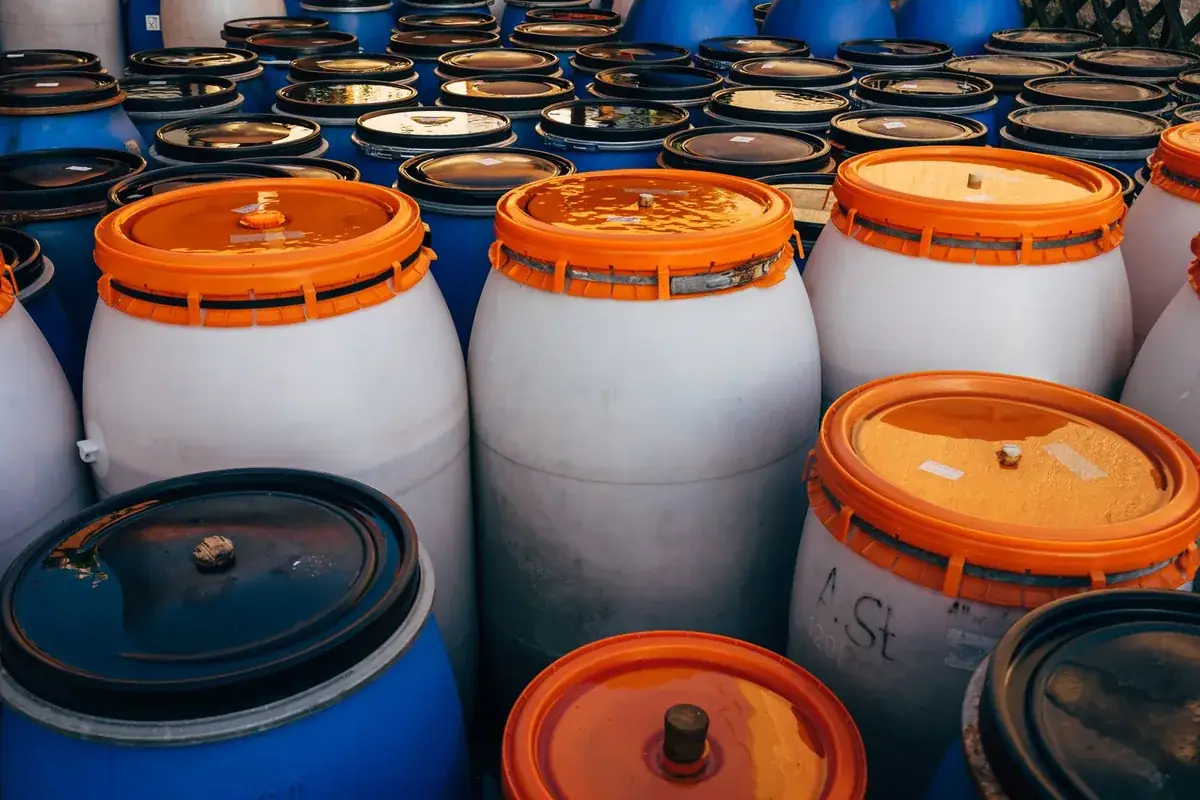
A chemical hazard is a substance that can burn, poison, explode or damage health. Chemical cleanup removes that hazard from the place where people live or work, then decontaminates the area.
Throughout Franklin and Merrimack County, you can get a crew to identify the substance, contain the spread, remove contaminated materials and set up hauling for the waste. Call Franklin Biohazard Cleanup Help to get started.
About 76% of homes in Franklin were built before 1980, and older garages and sheds often hold decades of paint, solvents and pesticides. With vacancy at about 8% of homes in Merrimack County, chemical problems are usually found quickly by residents or neighbors.
The work often covers:
The team checks labels, safety data sheets and the history of the site. If the substance is unknown, crews treat it as hazardous until it is identified.
People and pets are kept out. Ignition sources and unsafe airflow are controlled, and workers put on protective gear matched to the hazard.
Barriers and absorbent materials stop the spill from spreading. The substance, damaged containers and soaked items are collected in suitable sealed containers.
Surfaces are cleaned with methods suited to the substance. Waste is labeled, sorted by type and hauled by the rules that apply.
The cost of chemical & toxic waste cleanup in Franklin, NH depends on the amount of material, how it is packed and how it is hauled.
Hauling and packaging count too. Drums, labels, secondary containers and transport are part of lawful waste handling and are priced into the job.
| Type of job | Typical range |
|---|---|
| Hazardous chemicals | $30 - $50 per barrel |
Estimates only, not a quote. Sources: Fixr. Price drivers include type of chemical, amount, packaging and transport, disposal fees. Call (877) 812-4220 to talk through the job.
It depends on the substance. Teams choose absorbent materials, tools and cleaning products to match it, and they follow the maker's safety data sheet. Household products are not mixed together. Ask what the team plans to use and why.
Some products release toxic gas when combined. Bleach and ammonia are a well-known example. Never mix products to clean a spill, and leave the area if you smell fumes.
Old or leaking products are a risk. Heat, humidity and age can damage containers, and fumes can build up. If containers are leaking, damaged or unlabeled, have a cleanup team remove them.
The terms overlap. Hazmat usually refers to the wider set of hazardous materials, and chemical and toxic waste describes leftover or spilled chemicals. Both call for careful handling. A local team can explain which term fits your situation.
Waste is sorted, labeled, packed and hauled by the rules that apply to its type. It does not go in the regular trash or down a drain. Ask the cleanup team how its waste is hauled and disposed of, and ask for records at the end.
Common ones are paints, solvents, fuels, pesticides, pool chemicals, cleaning products, batteries and mercury. Crews also remove unlabeled containers once the contents are identified. Ask the team what it can handle for your site.
Ask how waste is hauled and disposed of before anyone starts work.
Call (877) 812-4220